

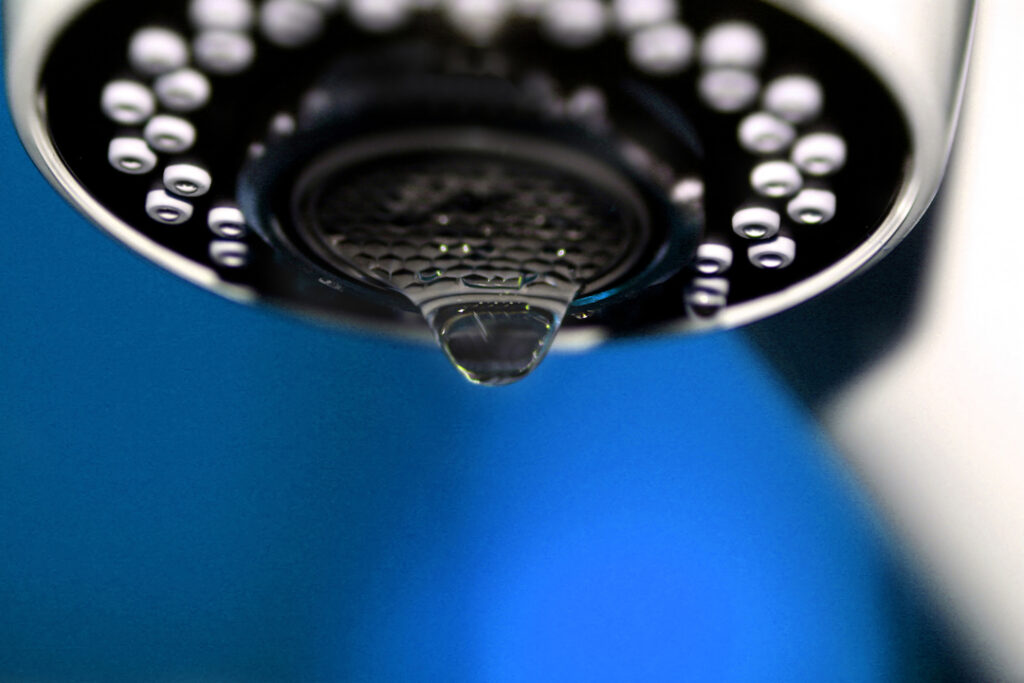
You might be reading this at your office, or at home on your phone, thinking that a drippy faucet is no big deal. It’s been dripping for weeks now, and nothing’s happened. So you’re good. Or at least that’s what you hope. We have clients who could tell you otherwise. We see small leaks that absolutely lead to bigger problems. And sometimes those problems can be dangerous. And expensive.
Another problem we’ve noticed is that little things start to happen in warmer weather. The problems can be gradual and sneak up on you. When you least expect it, and certainly when it’s the most inconvenient time, you have 2 inches of water in your basement! Or there’s a drip that’s developed in the ceiling.
We’ve seen minor drips often result in structural rot, mold growth, high utility bills, and severe damage to walls, flooring, and foundations. Why is that? Because water builds over time. The longer you have a tiny leak, the more likely the leak is weakening drywall, warping wood and damaging flooring. Instead of a simple fix, you have major renovation.
What Can You Do? The best advice we can give you is to be observant and pay attention to details. Here are some tips to avoid the cost and hassle of a major restoration job.
- Learn How to Recognize a Potential Leak. Sometimes leaking pipes are obvious – you can see (and sometimes hear) the water. But it is also possible to have a leak behind the walls or under the floor that you don’t know about. Look for these telltale signs:
- A sudden drop in water pressure
- Wet or discolored spots on the floor, ceiling, or walls
- An unexplained odor
- The appearance of mold or mildew
- Higher than usual water bill
- Sagging ceilings
- Peeling or blistering paint or wallpaper
- The sound of trickling water or other strange noises in the pipes
- Check Your Records. Take a look at paperwork. Perhaps you’ve noticed a higher than average water bill. You might have taken a few minutes to think about it and when you couldn’t come up with a reason for the higher costs, you assumed the water company raised their rates. Get that water bill out again. Check around the house to see if you have any leaks. If you don’t see any, locate your water meter and check the indicator. Then turn off your water for a couple of hours. Check the meter again. If the dial has moved or the numbers have changed, you likely have a leak.
- Check Toilets. The food coloring test will tell you if it’s leaking. Put a few drops in the tank and wait 10-15 minutes without flushing. If you don’t have food coloring, you can also test the toilet by adding a coke to the tank. After 15-20 minutes, if the color appears in the bowl, water is leaking from the tank to the bowl.
- Look For Signs Of Damage. There are usually signs or smells around the house if you have a leak. Check for these physical signs.
- Musty odors
- Mold or mildew
- Stains on ceilings or walls.
- Warping or buckling of floors
- Pealing wall paper or paint
- Unusual sounds
- Outdoor puddles
- Check Fixtures. If there is a leak, you’ll likely see signs of dampness or water stains inside cabinets. You should also check around the base of the toilet, dishwasher and washing machine. And don’t forget to check outdoor spigots.
A few minutes this weekend might save time and money later. This is especially important before you go on vacation – even if you are only leaving for a few days!