

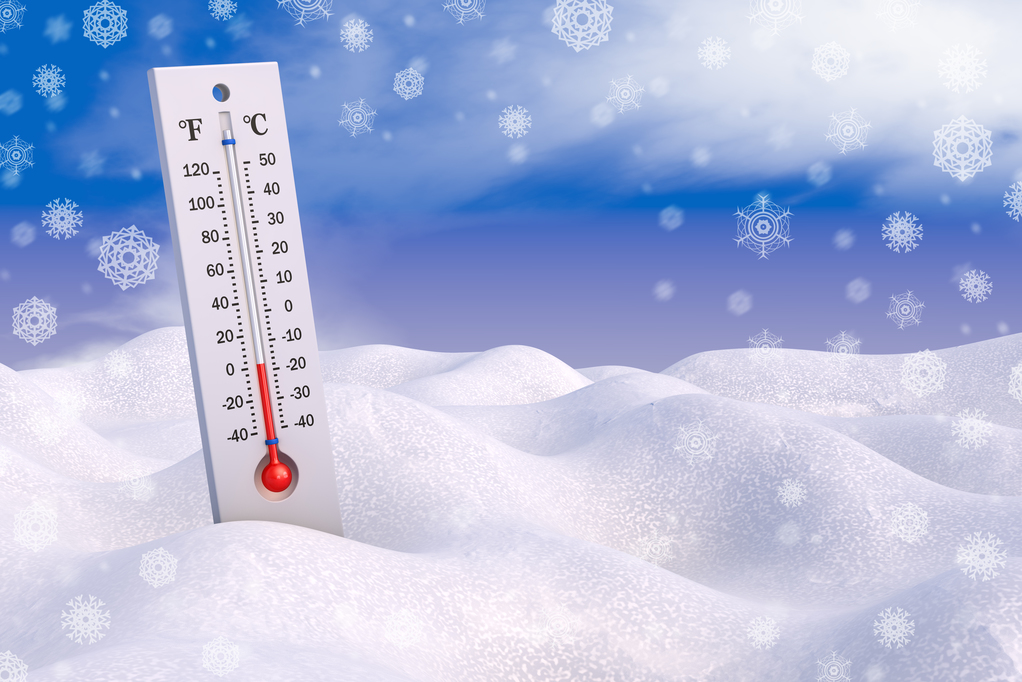
Living in Denver often means riding the weather roller coaster! It can be 80°F one day and down below freezing the next. As winter starts to take grip on our area, pipes start to freeze, thaw slightly and then refreeze. We see it time and again . . . burst pipes become a problem. When temperatures fall below 20°F, water pipes may freeze and possibly burst. This is most likely to occur when insulation around the pipes is deficient. Pipes that are most at-risk are outdoor hose bibs and supply lines, and pipes in unheated interior areas such as attics, basements, crawl spaces, and garages. Whether you are worried about freezing pipes at home or the office, there are some things you can do to prepare for whatever our weather may bring. Here are some steps you can take to avoid frozen pipes:
Avoid Frozen Pipes
- Run to the hardware store at your earliest convenience and purchase pipe insulation. Follow the instructions for wrapping pipes that might be exposed to extreme cold. Here’s an excellent tutorial from Home Depot on how to perform this task. You’ll also learn what to do if you find that you already have frozen pipes.
- Be sure to keep your garage doors closed to preserve as much heat as possible.
- Consider opening cabinet doors in the kitchen or bathrooms to expose pipes to warmer room temperatures.
- If you do have a faucet that is exposed, open it and allow a slow drip to flow.
- At least while outside temperatures are at their lowest, keep your thermostat set to the same temperature both day and night.
- If you plan to be away during a particularly cold period, set your thermostat no lower than 55°F.
- Evaluate the overall insulation quality in your home or office, especially attics, basements, and crawl spaces. Add insulation as necessary.
Warning signs. It’s important to note that if you notice the water pressure fluctuating or completely inaccessible, frozen pipes are most likely the problem. If a frozen pipe is not yet compromised, take the following steps to aid thawing and avoid rupture:
- Turn the faucet to the “on” position in anticipation of water flow.
- Apply heat to the affected section. You can use a heating pad, electric hair dryer, a portable space heater, or even hot towels. However, never use a blow torch or a kerosene, propane, or open-flame heater – these carry a high risk of fire and/or toxic fume inhalation.
- Apply heat until water pressure is fully restored.
- If you cannot locate or access the pipe, or if your efforts to thaw the affected area are unsuccessful, call a licensed plumber.
Once A Pipe Has Burst. Immediately turn off the water supply at the main shutoff valve. If a room is already inundated with water, give us a call! Our experts here at Restoration 1 are trained to reverse the effects of water damage. Give us a call at 720-605-2994.